
28 Oct 2025
Bangladesh releases First National Mortality Reports
TAGS

Bangladesh’s Directorate General of Health Services (DGHS) has published the country’s first-ever national mortality reports, drawing on data from the Medical Certificate of Cause of Death (MCCD) (2019–2023) and Verbal Autopsy (2023) systems. 

Enabled by the expansion of MCCD to 594 hospitals, the findings highlight a major shift in public health: non-communicable diseases now account for the majority of deaths, with 68% in communities and 57% in facilities, while child mortality remains a concern, with 18% of facility deaths among children under five.

DGHS Director General Prof. Dr. Md. Abu Jafor emphasized the importance of comprehensive mortality data for health system reform during the launch. The reports also note challenges in data quality and gender disparities in death reporting.

Click here for the news. 

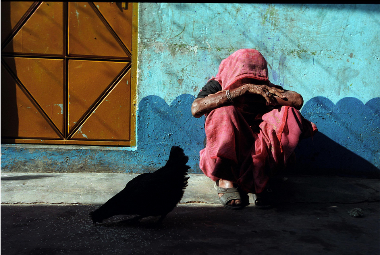
(Photo credit: UNHCR)
 

More News

22 January 2021

Newsletter: CRVS Insight January 2021 CRVS Champion: Ms. Nazaria Baharudin Each month, our…

14 December 2020

(Newsletter: CRVS Insight December 2020) The COVID-19 pandemic is challenging country mortality…

14 December 2020

(Newsletter: CRVS Insight December 2020) In Iran, in November of 2019, the first Iranian identity…

14 December 2020

(Newsletter: CRVS Insight December 2020) Each month, our community newsletter puts a spotlight on…

14 December 2020

(Newsletter: CRVS Insight December 2020) Regional Steering Group members, Ms. Kamni Naidu (Fiji),…

24 November 2020

(Newsletter: CRVS Insight November (2) 2020) In preparation for the Second Ministerial Conference…

24 November 2020

(Newsletter: CRVS Insight November (2) 2020) Following a number of years of consultations and…

24 November 2020

(Newsletter: CRVS Insight November (2) 2020) In a major step toward universal registration, the…

24 November 2020

(Newsletter: CRVS Insight November (2) 2020) The ESCAP CRVS team is proud to announce the launch…

03 November 2020

(Newsletter: CRVS Insight November 2020) Women and children are often vulnerable to being left…